
Introduction
Cybersecurity has become one of the most critical topics in the digital world as our lives continue to move online. From banking and shopping to communication and entertainment, almost everything now depends on internet-connected systems. This rapid digital transformation has also increased the risk of cyberattacks, data breaches, and online fraud. Cybercriminals are becoming more advanced, using sophisticated tools and techniques to exploit weaknesses in systems, devices, and human behavior. As a result, understanding cybersecurity trends is no longer optional—it is essential for individuals, businesses, and organizations.
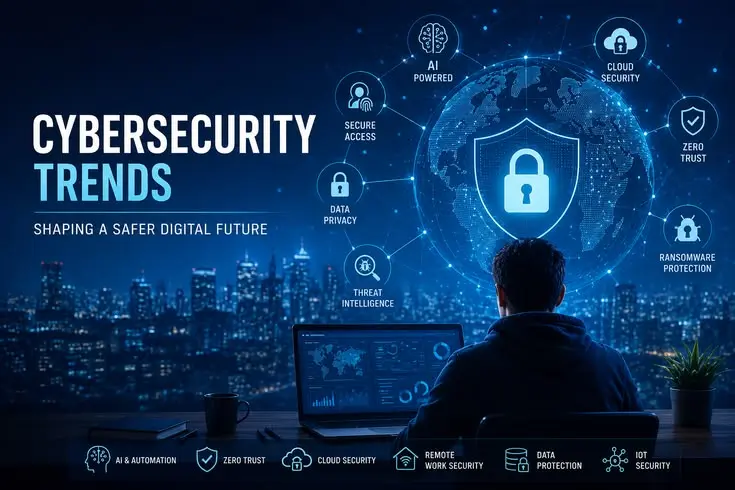
In 2026 and beyond, cybersecurity is evolving faster than ever before. Artificial intelligence, cloud computing, remote work environments, and the rise of Internet of Things (IoT) devices have introduced new opportunities but also new vulnerabilities. Companies are investing heavily in advanced security systems, while individuals are becoming more aware of protecting their personal data. This guide is designed for beginners who want to understand what cybersecurity trends are, why they matter, and how they are shaping the future of digital safety. By the end of this article, you will have a clear understanding of modern security practices and how to protect yourself in an increasingly connected world.
What is Cybersecurity Trends?
Cybersecurity trends refer to the latest developments, technologies, and practices used to protect digital systems, networks, and data from cyber threats. These trends highlight how security strategies evolve in response to new types of attacks and technological advancements. As cybercriminals continuously develop new methods, cybersecurity professionals must adapt quickly to stay ahead.
In simple terms, cybersecurity trends show the direction in which digital security is moving. For example, the rise of artificial intelligence in threat detection, the increased use of biometric authentication, and the shift toward cloud-based security systems are all part of current trends. These changes help organizations detect threats faster, respond more effectively, and reduce the risk of data loss. For beginners, understanding these trends is important because they directly impact how safe your personal and professional data is online.
Why is Cybersecurity Trends Important?
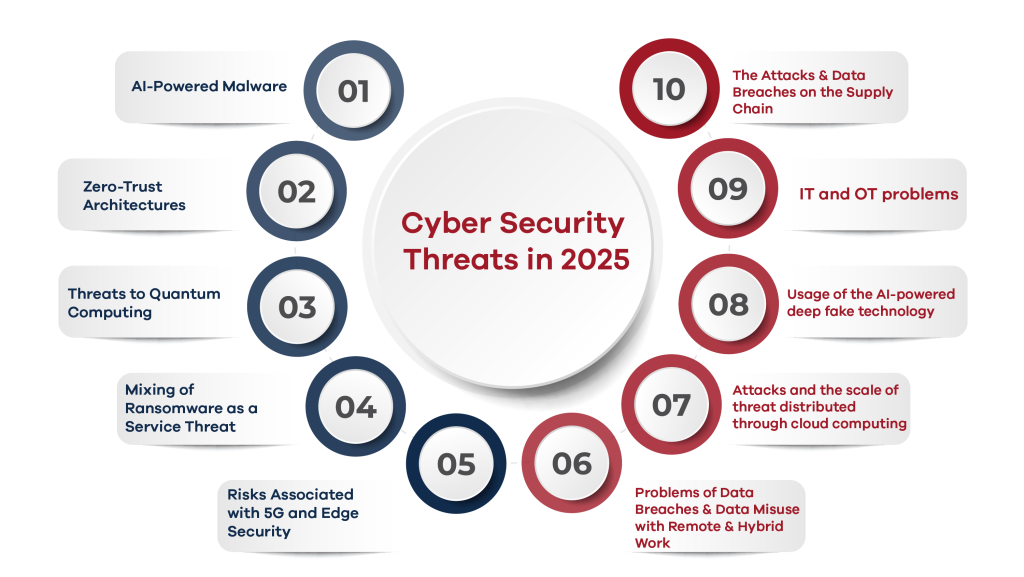
Cybersecurity trends are important because they help individuals and organizations stay one step ahead of cybercriminals. As technology evolves, so do cyber threats. Without understanding these trends, systems become outdated and vulnerable to attacks such as phishing, ransomware, identity theft, and data breaches.
Another reason cybersecurity trends matter is the increasing dependency on digital platforms. Businesses store sensitive customer data online, and individuals use cloud storage, mobile apps, and online payment systems daily. If security measures are not updated according to current trends, this data can be easily compromised. Staying aware of cybersecurity trends ensures better protection, improved privacy, and stronger trust in digital systems. It also helps organizations comply with legal regulations and avoid financial losses caused by cyber incidents.
Detailed Step-by-Step Guide to Understanding Cybersecurity Trends
Step 1: Understand Modern Threat Landscape
The first step is to understand the types of cyber threats that exist today. These include malware, phishing attacks, ransomware, social engineering, and zero-day vulnerabilities. Cybersecurity trends focus on how these threats are evolving and becoming more complex. Beginners should learn how attackers target both systems and human behavior.
Step 2: Learn About AI in Cybersecurity
Artificial intelligence is one of the biggest trends in cybersecurity. AI-powered tools can detect unusual activity, analyze large amounts of data, and respond to threats in real time. This reduces response time and improves accuracy in identifying attacks before they cause damage.
Step 3: Explore Cloud Security Trends
Cloud computing is widely used by businesses and individuals. However, it also introduces security risks such as data leaks and unauthorized access. Modern cybersecurity trends focus on cloud encryption, identity management, and secure access controls to protect cloud-based systems.
Step 4: Focus on Zero Trust Security Model
Zero Trust is a modern security approach that assumes no user or device is automatically trusted. Every access request must be verified. This model is becoming a major trend because it significantly reduces internal and external threats.
Step 5: Understand Multi-Factor Authentication (MFA)
MFA adds an extra layer of security by requiring multiple forms of verification. This could include passwords, SMS codes, or biometric scans. It is a simple but powerful trend that helps prevent unauthorized access.
Step 6: Stay Updated with IoT Security
The Internet of Things includes smart devices like cameras, watches, and home assistants. These devices often lack strong security, making them easy targets. Cybersecurity trends now focus on securing IoT devices through regular updates and encryption.
Step 7: Monitor Cybersecurity Automation
Automation helps organizations respond quickly to threats without human delay. Automated systems can block suspicious activity, isolate infected devices, and trigger alerts instantly.
Benefits of Cybersecurity Trends
- Improved protection against cyberattacks and data breaches
- Faster detection and response to security threats
- Enhanced privacy for individuals and organizations
- Better security for cloud systems and remote work environments
- Reduced financial losses caused by cybercrime
- Increased trust between businesses and customers
- Stronger compliance with global security regulations
- Advanced threat intelligence using AI and automation
Disadvantages / Risks of Cybersecurity Trends
- High implementation cost for advanced security systems
- Complexity in managing modern cybersecurity tools
- Dependence on technology may reduce human oversight
- Privacy concerns with AI-based monitoring systems
- Constant need for updates and system maintenance
- Risk of false positives in automated security alerts
- Learning curve for beginners and small businesses
- Potential misuse of advanced cybersecurity tools by attackers
Common Mistakes to Avoid
One of the most common mistakes is ignoring software updates. Many cyberattacks exploit outdated systems that have known vulnerabilities. Another mistake is using weak or repeated passwords across multiple accounts, which makes it easier for attackers to gain access.
People also often underestimate phishing attacks, which are designed to trick users into revealing sensitive information. Clicking on unknown links or downloading unverified files can lead to serious security breaches. Additionally, failing to enable multi-factor authentication is a major mistake that reduces account security significantly. Beginners should also avoid relying only on antivirus software without understanding broader cybersecurity practices.
FAQs
1. What are the latest cybersecurity trends?
The latest trends include artificial intelligence in threat detection, zero trust architecture, cloud security improvements, and multi-factor authentication systems.
2. Why is cybersecurity important for beginners?
It helps beginners protect their personal data, avoid scams, and understand safe online practices in an increasingly digital world.
3. How does AI improve cybersecurity?
AI improves cybersecurity by detecting unusual patterns, identifying threats faster, and automating responses to cyberattacks.
4. What is Zero Trust security?
Zero Trust is a security model that requires continuous verification for every user and device, regardless of location or access level.
5. How can I protect myself online?
You can protect yourself by using strong passwords, enabling MFA, avoiding suspicious links, and keeping software updated.
6. Are cybersecurity trends only for businesses?
No, cybersecurity trends are important for everyone, including individuals who use smartphones, social media, and online banking.
Expert Tips & Bonus Points
Experts recommend staying informed about the latest cyber threats by following trusted security news sources. Regularly updating passwords and using password managers can significantly improve security. It is also important to educate yourself about phishing scams and social engineering tactics, as human error is one of the biggest causes of security breaches.
Another important tip is to regularly back up your data to secure locations. This ensures that even if a system is compromised, your important information is not lost. Businesses should also conduct regular security audits and employee training programs to maintain strong cybersecurity hygiene. Beginners should focus on building strong digital habits early, as prevention is always better than recovery.
Conclusion
Cybersecurity trends are shaping the future of how we interact with digital systems. As technology continues to evolve, so do the risks associated with it. Understanding these trends is essential for protecting personal data, business information, and critical infrastructure. From artificial intelligence and cloud security to zero trust models and automation, modern cybersecurity is becoming more advanced and more necessary than ever before.
For beginners, the key is to start with simple practices such as using strong passwords, enabling multi-factor authentication, and staying alert to suspicious activities. Over time, building awareness of advanced trends will help you stay ahead of cyber threats. In a world where digital presence is expanding rapidly, cybersecurity is not just a technical field—it is a daily necessity. Staying informed and proactive is the best way to ensure safety in the ever-changing digital landscape.