

Introduction
Technology is evolving faster than ever before, shaping how we live, work, and communicate every single day. From smartphones in our pockets to artificial intelligence systems that can think and learn, modern life is deeply connected to continuous technological progress. These advancements are collectively known as tech innovations, and they are transforming industries such as healthcare, education, business, transportation, and entertainment. What once seemed like science fiction is now becoming part of everyday reality.
For beginners, understanding tech innovations may feel overwhelming because the field is vast and constantly changing. However, at its core, it simply refers to new ideas, tools, and systems designed to improve efficiency, solve problems, and create better user experiences. Whether it is cloud computing, robotics, blockchain, or AI-powered applications, each innovation plays a role in shaping a smarter and more connected world. Learning about these technologies helps individuals stay updated, improve career opportunities, and adapt to future job markets. In this guide, you will explore everything about tech innovations in a simple, structured, and practical way so you can understand how they work and why they matter in today’s digital age.
What is Tech Innovations?
Tech innovations refer to the creation and implementation of new technologies or improvements in existing systems that enhance performance, efficiency, and usability. These innovations can include software developments, hardware upgrades, digital tools, or completely new technological concepts that solve real-world problems in a smarter way.
In simple terms, tech innovations are the driving force behind modern digital transformation. They help businesses operate faster, allow people to communicate globally in seconds, and make everyday tasks more convenient. From mobile apps to artificial intelligence, tech innovations continue to reshape industries and redefine how humans interact with technology in daily life.
Why is Tech Innovations Important?
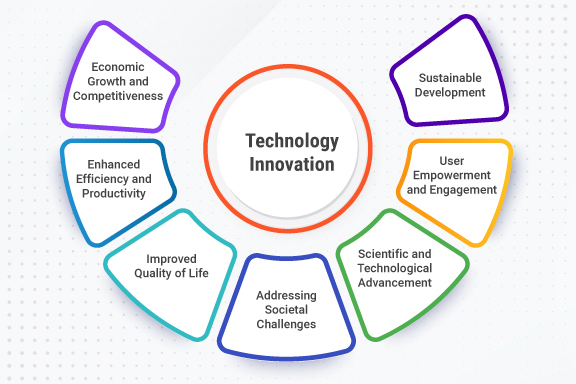
Tech innovations are important because they improve the quality of life and drive global progress across all industries. They help businesses become more productive, reduce costs, and deliver better services to customers. Without innovation, technological growth would slow down, and many modern conveniences we rely on today would not exist.
Another key reason tech innovations matter is that they solve complex problems in society. For example, medical technologies improve healthcare outcomes, while renewable energy innovations help protect the environment. They also create new job opportunities, making economies stronger and more competitive in a rapidly changing world.
Detailed Step-by-Step Guide
Step 1: Identify a Problem or Need
The first step in any tech innovation process is identifying a real-world problem. This could be anything from slow communication systems to inefficient business operations. Understanding the problem clearly helps innovators create meaningful solutions.
Step 2: Research Existing Solutions
Before creating something new, it is important to study existing technologies. This helps identify gaps, limitations, and opportunities for improvement. Research ensures that the innovation is practical and relevant to user needs.
Step 3: Develop an Idea or Concept
Once research is complete, the next step is to develop a creative idea. This includes designing how the technology will work and what benefits it will provide. At this stage, brainstorming and planning play a crucial role.
Step 4: Build a Prototype
A prototype is a basic version of the innovation. It helps test whether the idea works in real-life conditions. Developers use this stage to identify errors and make necessary improvements before launching the final product.
Step 5: Test and Improve
Testing is essential to ensure the technology functions properly. Feedback from users is collected and used to improve performance, fix bugs, and enhance usability. This step ensures reliability and efficiency.
Step 6: Launch and Scale
After successful testing, the innovation is launched for public or commercial use. Companies then focus on scaling the product, improving features, and reaching a larger audience through marketing and updates.
Benefits of Tech Innovations
- Improves efficiency and productivity in businesses and daily life
- Creates new job opportunities in the digital economy
- Enhances communication and global connectivity
- Solves complex problems in healthcare, education, and environment
- Reduces operational costs for companies
- Encourages creativity and continuous improvement
- Makes everyday tasks faster and easier
- Supports economic growth and global development
Disadvantages / Risks
- High development and implementation costs
- Risk of job displacement due to automation
- Cybersecurity threats and data privacy issues
- Over-dependence on technology in daily life
- Constant need for upgrades and maintenance
- Digital divide between different regions and communities
- Possibility of misuse of advanced technologies
- Technical failures that can disrupt systems
Common Mistakes to Avoid
One common mistake beginners make is assuming that all tech innovations are successful immediately. In reality, many ideas fail before reaching the market. Proper research, testing, and planning are essential to avoid failure.
Another mistake is ignoring user feedback. Many developers focus only on building advanced features but forget about usability. Successful innovations always prioritize user experience and real-world application over complexity.
FAQs
1. What are tech innovations in simple words?
Tech innovations are new or improved technologies designed to solve problems and make life easier, faster, and more efficient.
2. Why are tech innovations important for students?
They help students learn better through digital tools, online education platforms, and smart learning systems that improve understanding.
3. How do tech innovations affect jobs?
They create new job opportunities in technology fields but may also replace some traditional jobs through automation.
4. What are examples of tech innovations?
Examples include artificial intelligence, cloud computing, blockchain, smart devices, and robotics.
5. Can beginners learn tech innovations easily?
Yes, beginners can start by understanding basic concepts, following online courses, and practicing simple digital tools.
6. What industries benefit most from tech innovations?
Almost all industries benefit, especially healthcare, education, finance, transportation, and communication sectors.
Expert Tips & Bonus Points
To succeed in understanding tech innovations, always stay updated with the latest trends in technology. Follow tech news, blogs, and research papers to learn how the industry is evolving. Continuous learning is essential because technology changes very quickly.
Another important tip is to focus on practical experience. Instead of only reading theory, try using tools, apps, and software to understand how innovations work in real life. This hands-on approach builds stronger skills and deeper knowledge.
Conclusion
Tech innovations are the backbone of modern society, driving progress and shaping the future in powerful ways. From improving communication to revolutionizing healthcare and education, these advancements have become essential in almost every aspect of life. Understanding them helps individuals stay relevant in a fast-changing digital world.
For beginners, learning about tech innovations is not just about technology—it is about preparing for the future. As industries continue to evolve, those who understand and adapt to new technologies will have better opportunities and stronger career growth. While there are challenges such as cybersecurity risks and job changes, the overall impact of tech innovations remains highly positive and transformative.
By staying curious, continuously learning, and embracing new tools, anyone can benefit from the world of tech innovations and become part of the future of technology.