

Introduction
Financial independence is one of the most powerful goals a person can achieve in their lifetime. It means having enough income, savings, and investments to support your lifestyle without depending on a traditional job. For beginners, this concept may seem overwhelming, but in reality, it starts with small, consistent financial decisions. In today’s fast-changing world, where expenses are rising and job security is uncertain, learning how to manage money wisely has become more important than ever. Financial independence is not about becoming rich overnight; it is about building long-term stability and freedom.
Many people live paycheck to paycheck without realizing that small changes in spending, saving, and investing habits can completely transform their financial future. By understanding basic financial principles and applying practical strategies, anyone can move toward independence regardless of their income level. This guide will help you understand what financial independence really means, why it matters, and how you can start your journey step by step. Whether you are a student, employee, or beginner in personal finance, this article will give you a clear roadmap to take control of your money and build a secure future.
What is Financial Independence?
Financial independence is a state where a person has enough personal wealth and income sources to cover all living expenses without relying on active employment. In simple terms, it means your money works for you instead of you working for money. This income can come from investments, savings, businesses, or passive income streams such as dividends, rental income, or online earnings. The goal is to reach a point where your financial needs are fully supported by assets rather than a salary.
At its core, financial independence is about freedom and control. It allows individuals to make life choices without being limited by financial pressure. You can choose to work, travel, start a business, or pursue passions without worrying about monthly bills. This concept is often associated with the FIRE (Financial Independence, Retire Early) movement, which encourages aggressive saving and investing to achieve early retirement. However, financial independence does not always mean stopping work completely; it simply means gaining the power to choose how you spend your time.
Why is Financial Independence Important?
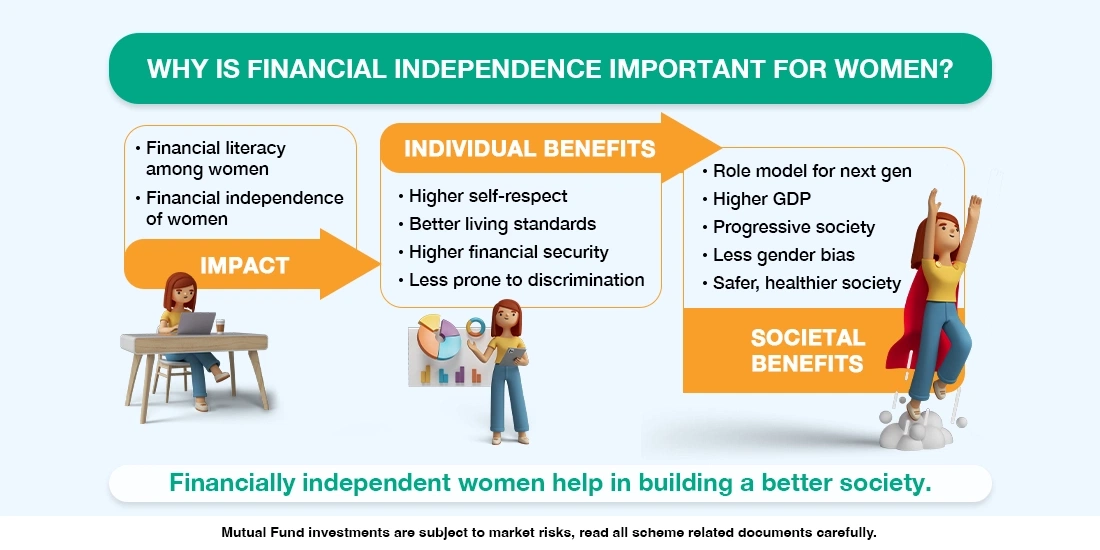
Financial independence is important because it provides security, peace of mind, and long-term stability. In a world where economic conditions can change suddenly, relying only on a job can be risky. Job loss, medical emergencies, inflation, or unexpected expenses can disrupt financial stability. Having financial independence ensures that you are prepared for such situations.
Another key reason is freedom of choice. When you are financially independent, you are not forced to accept jobs or situations you dislike just for money. It gives you control over your life decisions, whether it is changing careers, starting a business, or taking a break from work. It also reduces stress and improves mental well-being because financial worries are minimized. Additionally, financial independence helps you build generational wealth, meaning you can support your family and create a better future for them.
Detailed Step-by-Step Guide
Step 1: Build Financial Awareness
The first step is understanding your financial situation. Track your income, expenses, debts, and savings. This helps you identify where your money is going and what changes are needed. Without awareness, financial improvement is impossible.
Step 2: Create a Budget Plan
A budget is a roadmap for your money. Divide your income into categories such as needs, wants, savings, and investments. Follow the 50/30/20 rule where 50% goes to needs, 30% to wants, and 20% to savings and investments.
Step 3: Eliminate Debt
High-interest debt can slow down your financial growth. Focus on paying off credit cards, loans, and unnecessary liabilities as quickly as possible. Start with small debts or high-interest debts first.
Step 4: Build an Emergency Fund
An emergency fund protects you from unexpected expenses. Aim to save at least 3–6 months of living expenses in a separate savings account. This ensures financial stability during emergencies.
Step 5: Start Investing Early
Investing is essential for wealth building. Explore options like stocks, mutual funds, real estate, or retirement accounts. The earlier you start, the more you benefit from compound growth.
Step 6: Create Passive Income Streams
Develop income sources that do not require constant effort. This can include rental income, online businesses, affiliate marketing, or dividend stocks.
Step 7: Increase Income Over Time
Focus on skill development, career growth, or side businesses. Increasing income accelerates your journey toward financial independence.
Benefits of Financial Independence
- Provides financial security and stability
- Reduces stress and financial anxiety
- Gives freedom to choose your lifestyle
- Allows early retirement or career flexibility
- Helps build long-term wealth
- Improves decision-making power
- Creates generational wealth opportunities
Disadvantages / Risks
- Requires strong discipline and patience
- Initial savings may feel restrictive
- Investment risks can lead to losses
- Takes time to achieve results
- Market fluctuations may affect income sources
- Over-saving can reduce quality of life temporarily
Common Mistakes to Avoid
Many beginners make the mistake of focusing only on earning more money without controlling expenses. Another common mistake is ignoring budgeting, which leads to uncontrolled spending. People also delay investing, thinking it is only for experts or wealthy individuals. Avoid taking unnecessary debt, especially for lifestyle purchases. Emotional spending and lack of financial goals can also slow down progress. Finally, relying on a single income source increases financial risk, so diversification is important.
FAQs
1. How long does it take to achieve financial independence?
It depends on income, savings rate, and investment returns. For most people, it can take 10–25 years with consistent effort.
2. Do I need a high salary to become financially independent?
No, even average income earners can achieve it by saving consistently and investing wisely.
3. What is the best age to start financial planning?
The earlier, the better. Starting in your 20s gives maximum advantage due to compounding.
4. Is investing risky for beginners?
All investments carry some risk, but proper research and diversification reduce it significantly.
5. Can financial independence be achieved without a job?
Yes, but you need alternative income sources like investments or business earnings.
6. What is passive income?
Passive income is money earned with minimal ongoing effort, such as dividends, rent, or online income.
Expert Tips & Bonus Points
Start small but stay consistent. Even saving a small percentage of income regularly can create big results over time. Always reinvest your earnings to grow wealth faster. Avoid lifestyle inflation when your income increases. Focus on long-term financial goals instead of short-term pleasures. Learn continuously about personal finance and investment strategies. Diversify income sources to reduce financial risk. Most importantly, stay disciplined and patient because financial independence is a long-term journey, not a quick achievement.
Conclusion
Financial independence is not just a financial goal; it is a lifestyle transformation that gives you control over your time, choices, and future. It allows you to live life on your own terms without being dependent on a paycheck. While the journey may seem challenging at first, it becomes easier with consistent habits like budgeting, saving, and investing. Every small financial decision you make today plays a major role in shaping your future stability.
For beginners, the key is to start immediately rather than waiting for the perfect moment. You do not need a large income or expert knowledge to begin; you only need discipline and awareness. Over time, these small efforts compound into significant financial growth. Financial independence is achievable for anyone willing to stay committed and patient. By following the steps outlined in this guide, you can gradually move toward a life where money is no longer a limitation but a tool for freedom and opportunity.