
Introduction
Leadership skills are among the most powerful abilities a person can develop in both personal and professional life. Whether you are a student, employee, entrepreneur, or manager, strong leadership skills help you influence others, make better decisions, and achieve meaningful goals. In today’s fast-changing world, organizations are not just looking for people who can complete tasks—they are looking for individuals who can guide teams, solve problems, and inspire action.
For beginners, leadership may seem like something only top executives or CEOs need. However, leadership starts with small actions such as taking responsibility, communicating clearly, and supporting others. These skills can be learned and improved over time with practice and consistency. Leadership is not about authority or power; it is about responsibility, vision, and the ability to bring out the best in others.
In this guide, you will learn what leadership skills really mean, why they are important, and how you can develop them step by step. You will also explore practical benefits, common mistakes, expert tips, and frequently asked questions to help you grow into a confident and effective leader.
What is Leadership Skills?
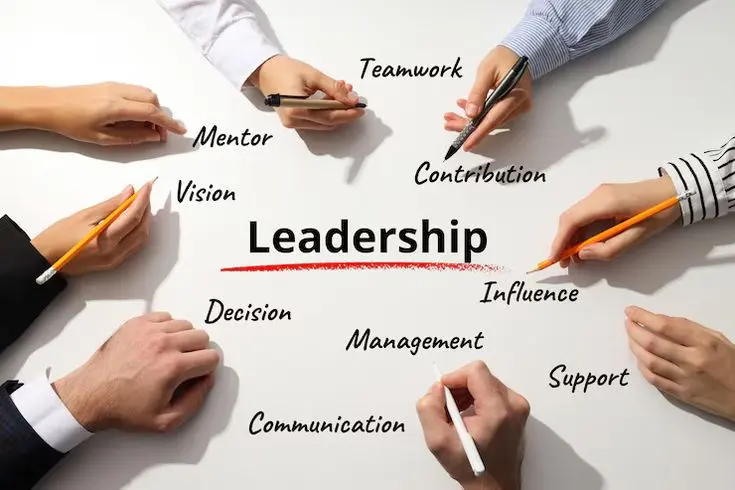
Leadership skills refer to the abilities that allow a person to guide, influence, and support others toward achieving a common goal. These skills include communication, decision-making, emotional intelligence, problem-solving, and the ability to motivate a team. A good leader is not only focused on results but also on people, ensuring that everyone works together effectively.
Leadership is not limited to job titles or positions. It can be demonstrated in everyday life, such as leading a group project, organizing an event, or helping others stay focused. True leadership is about setting an example, building trust, and creating a positive environment where people feel valued and motivated to contribute.
Why is Leadership Skills Important?

Leadership skills are important because they help individuals and organizations function more efficiently and effectively. In a workplace, strong leadership improves teamwork, boosts productivity, and reduces confusion. Leaders provide direction, set goals, and ensure that everyone understands their role in achieving success.
On a personal level, leadership skills build confidence, improve communication, and enhance decision-making abilities. People with strong leadership qualities are often more respected and trusted because they can handle challenges calmly and guide others through difficult situations. These skills also open doors to career growth and long-term success.
Detailed Step-by-Step Guide to Develop Leadership Skills
Step 1: Develop Self-Awareness
Self-awareness is the foundation of leadership. It means understanding your strengths, weaknesses, emotions, and behavior patterns. When you are aware of yourself, you can improve your decision-making and interact better with others.
To develop self-awareness, regularly reflect on your actions and seek feedback from others. This helps you identify areas for improvement and build a stronger leadership personality over time.
Step 2: Improve Communication Skills
Communication is one of the most important leadership skills. A leader must be able to clearly express ideas, listen actively, and understand different perspectives.
Practice speaking clearly, listening without interrupting, and asking meaningful questions. Good communication builds trust and reduces misunderstandings within a team.
Step 3: Learn Decision-Making Skills
Effective leaders make decisions confidently and responsibly. Decision-making involves analyzing situations, considering options, and choosing the best possible solution.
Start by making small decisions quickly and gradually take on more complex choices. Learn from outcomes, whether successful or not, to improve your judgment.
Step 4: Build Emotional Intelligence
Emotional intelligence is the ability to understand and manage your emotions and those of others. It helps leaders stay calm under pressure and handle conflicts effectively.
To build emotional intelligence, practice empathy, control emotional reactions, and try to understand how others feel in different situations. This strengthens relationships and teamwork.
Step 5: Develop Problem-Solving Abilities
Strong leaders are great problem solvers. They do not panic when challenges arise but instead look for practical solutions.
Improve problem-solving by analyzing issues step by step, brainstorming solutions, and evaluating the best option. This helps you become more confident in difficult situations.
Step 6: Take Responsibility
A true leader takes responsibility for both success and failure. Avoid blaming others and focus on finding solutions instead.
Taking responsibility builds trust and respect among team members and shows that you are reliable and mature.
Step 7: Practice Teamwork and Collaboration
Leadership is not about working alone; it is about working with others. A good leader understands how to collaborate and bring people together.
Encourage teamwork, support others, and appreciate contributions. This creates a positive and productive environment.
Benefits of Leadership Skills
- Improves confidence and self-esteem
- Enhances communication and interpersonal skills
- Increases career opportunities and promotions
- Builds strong decision-making ability
- Helps manage stress and pressure effectively
- Strengthens teamwork and collaboration
- Improves problem-solving skills
- Encourages personal and professional growth
Disadvantages / Risks of Leadership Skills
- High responsibility can cause stress
- Decision-making pressure may lead to mistakes
- Requires continuous learning and improvement
- Miscommunication can lead to conflicts
- Time management becomes challenging
- Emotional burden from handling team issues
- Risk of burnout if not balanced properly
Common Mistakes to Avoid
Many beginners make mistakes when developing leadership skills. One common mistake is trying to control everything instead of trusting team members. This reduces creativity and creates tension within the group.
Another mistake is poor communication, which leads to misunderstandings and confusion. Some people also avoid taking responsibility for failures, which weakens trust. Ignoring feedback is another major mistake that prevents growth. A good leader always learns from criticism and adapts accordingly.
FAQs About Leadership Skills
1. Can leadership skills be learned?
Yes, leadership skills can be learned and improved with practice, experience, and continuous self-development. Anyone can become a good leader over time.
2. Do I need a position to be a leader?
No, leadership is not about position or title. You can demonstrate leadership in school, work, or daily life by taking initiative and guiding others.
3. What is the most important leadership skill?
Communication is considered the most important leadership skill because it helps in sharing ideas, building trust, and guiding teams effectively.
4. How long does it take to develop leadership skills?
There is no fixed time. It depends on practice, experience, and willingness to learn. Some skills can improve within weeks, while others take months or years.
5. Can introverts become leaders?
Yes, introverts can become excellent leaders. Leadership depends on skills and behavior, not personality type. Many successful leaders are introverted.
6. How do leadership skills help in career growth?
Leadership skills help you stand out in the workplace, take responsibility, manage teams, and get promotions faster. Employers value strong leaders highly.
Expert Tips & Bonus Points
Focus on continuous learning because leadership is an ongoing process. Read books, attend workshops, and observe successful leaders to improve your mindset and skills. Practice patience because leadership takes time to develop.
Another important tip is to lead by example. People follow actions more than words, so always demonstrate the behavior you expect from others. Stay consistent, stay humble, and remain open to learning from every experience.
Conclusion
Leadership skills are essential for success in every area of life. They help individuals grow personally, achieve career goals, and positively influence others. Becoming a strong leader does not happen overnight; it requires patience, practice, and continuous self-improvement.
For beginners, the journey starts with small steps like improving communication, building self-awareness, and taking responsibility. Over time, these small actions create a strong foundation for effective leadership. As you develop these skills, you will notice improvements in confidence, decision-making, and teamwork abilities.
In the long run, leadership is not just about guiding others—it is about growing yourself while helping others grow too. By applying the strategies in this guide, anyone can develop strong leadership skills and become a more successful and influential individual in both personal and professional life.