
Introduction
Budget planning is one of the most essential financial skills that every individual should learn, especially beginners who want to gain control over their money. In simple terms, it is the process of creating a structured plan for how you will spend, save, and manage your income over a specific period. Without a proper budget, it becomes very easy to overspend, fall into debt, or fail to achieve financial goals such as saving for education, buying a home, or starting a business. Budget planning is not about restricting your life or limiting enjoyment; instead, it is about making smarter financial decisions that allow you to enjoy life while still securing your future.
In today’s fast-paced world, expenses are constantly increasing, and without proper planning, many people struggle to keep track of where their money goes. Budget planning helps individuals identify unnecessary spending, prioritize needs over wants, and allocate money efficiently. It also reduces financial stress because you always know how much money you have and where it is going. Whether you are a student, employee, or small business owner, understanding budget planning is the first step toward financial stability and independence.
This guide will walk you through everything you need to know about budget planning in a simple and practical way, so even beginners can start managing their money effectively from today.
What is Budget Planning?
Budget planning is the process of creating a financial roadmap that helps you manage your income and expenses in an organized way. It involves estimating your earnings and dividing them into different categories such as necessities, savings, investments, and personal spending. The main purpose of budget planning is to ensure that you do not spend more than you earn while still fulfilling your needs and financial goals.
At its core, budget planning is about awareness and control. It gives you a clear picture of your financial situation and helps you make informed decisions. For example, instead of spending money randomly, you allocate a fixed amount for groceries, rent, transport, entertainment, and savings. This structured approach ensures that every rupee or dollar you earn has a purpose.
Budget planning is used by individuals, families, and businesses alike. For individuals, it helps in personal financial management. For families, it ensures that household expenses are covered without financial stress. For businesses, it helps in maintaining profitability and controlling operational costs. In all cases, budget planning acts as a financial guide that keeps spending under control and supports long-term stability.
Why is Budget Planning Important?

Budget planning is important because it gives you control over your financial life. Without a budget, money often disappears without explanation, leading to stress and uncertainty. A well-structured budget helps you understand your income, track your expenses, and make better financial decisions.
One of the biggest reasons budget planning is important is that it helps prevent debt. When you know exactly how much you can afford to spend, you are less likely to rely on loans or credit cards unnecessarily. It also helps in building savings, which is essential for emergencies, future investments, or major life goals.
Another important aspect is financial discipline. Budget planning encourages responsible spending habits and helps you differentiate between needs and wants. This discipline is crucial for long-term financial success. It also reduces anxiety because you are always aware of your financial position instead of guessing or worrying.
Lastly, budget planning is important because it helps you achieve financial goals faster. Whether you want to buy a car, travel, or start a business, a budget ensures that you consistently save and allocate money toward your goals.
Detailed Step-by-Step Guide
Step 1: Calculate Your Total Income
The first step in budget planning is to identify your total monthly income. This includes salary, freelance work, business income, or any other source of money. Knowing your exact income helps you set realistic spending limits and avoid financial imbalance.
Step 2: List All Expenses
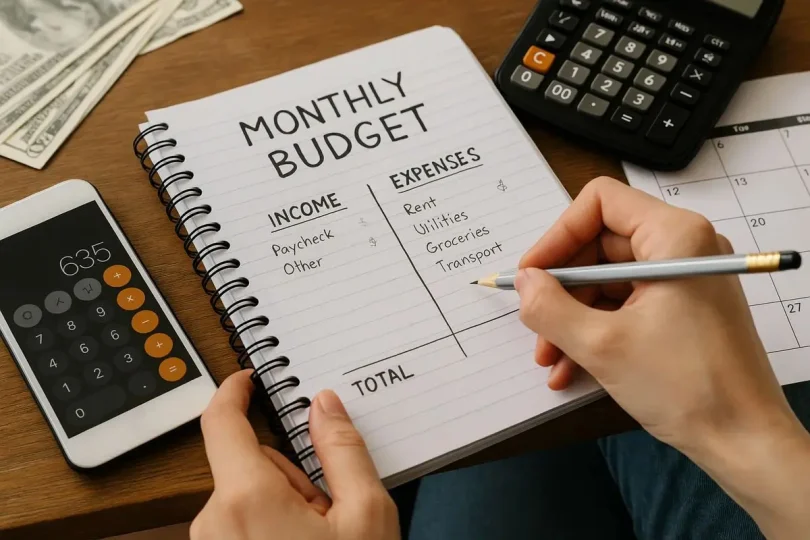
Next, write down all your expenses. Divide them into fixed expenses such as rent, bills, and loan payments, and variable expenses such as food, shopping, and entertainment. This step helps you understand where your money is going.
Step 3: Categorize Spending
After listing expenses, categorize them into essential and non-essential spending. Essentials include housing, food, transportation, and healthcare. Non-essentials include dining out, subscriptions, and entertainment. This helps you prioritize important expenses first.
Step 4: Set Financial Goals
Define short-term and long-term financial goals. Short-term goals may include saving for a gadget or vacation, while long-term goals include buying a house or retirement planning. Clear goals make your budget more meaningful and motivating.
Step 5: Allocate Your Income
Now divide your income based on priorities. A common method is the 50/30/20 rule, where 50% goes to needs, 30% to wants, and 20% to savings. Adjust this ratio based on your lifestyle and goals.
Step 6: Track Your Spending
Monitoring your expenses regularly is crucial. Use mobile apps, spreadsheets, or notebooks to track where your money goes. This helps you stay within your budget and avoid overspending.
Step 7: Review and Adjust Monthly
Your budget is not fixed forever. Review it every month and make adjustments based on changes in income or expenses. This ensures your budget remains practical and effective.
Benefits of Budget Planning
- Helps you control spending and avoid unnecessary expenses
- Reduces financial stress and improves money management
- Encourages saving habits for emergencies and future goals
- Helps in avoiding debt and improving financial stability
- Improves decision-making regarding purchases and investments
- Provides clear financial direction and structure
- Increases awareness of income and expenses
- Supports long-term financial independence
Disadvantages / Risks
- Requires discipline and consistency to maintain
- Can feel restrictive for some people initially
- Time-consuming to track every expense regularly
- Unexpected expenses can disrupt the budget
- May require frequent adjustments and updates
- Poor planning can lead to inaccurate budgeting
Common Mistakes to Avoid
One common mistake is not tracking small expenses, which often adds up and affects the budget. Another mistake is setting unrealistic savings goals that are difficult to maintain. Many beginners also forget to include emergency expenses, which can disrupt financial stability. Some people fail to review their budget regularly, making it outdated over time. Another mistake is mixing personal and business expenses, which creates confusion in financial planning. Lastly, relying on memory instead of proper tracking tools often leads to inaccurate budgeting and overspending.
FAQs
1. What is the easiest way to start budget planning?
The easiest way is to calculate your monthly income, list all expenses, and divide them into categories like needs, wants, and savings.
2. How much should I save every month?
A common recommendation is to save at least 20% of your income, but it can vary depending on your financial situation.
3. Can budget planning help me get out of debt?
Yes, budget planning helps you allocate money for debt repayment and reduces unnecessary spending, which speeds up debt clearance.
4. What tools can I use for budget planning?
You can use mobile apps, Excel sheets, or even a simple notebook to track your income and expenses.
5. Is budget planning only for low-income people?
No, budget planning is useful for everyone regardless of income level because it helps manage money efficiently.
6. How often should I review my budget?
It is best to review your budget at least once a month to make necessary adjustments and improvements.
Expert Tips & Bonus Points
Experts recommend automating your savings so that a fixed amount is transferred automatically each month. This reduces the temptation to spend extra money. Another useful tip is to build an emergency fund that covers at least three to six months of expenses. Always prioritize needs before wants and avoid emotional spending. It is also helpful to set realistic goals rather than overly ambitious targets. Keeping your budget simple increases the chances of sticking to it long-term. Finally, use digital tools for tracking expenses to save time and improve accuracy.
Conclusion
Budget planning is a powerful financial skill that can transform the way you manage money. It is not just about restricting spending but about creating a clear plan that helps you achieve financial stability and long-term success. By understanding your income, tracking expenses, and setting realistic financial goals, you can take full control of your financial future.
For beginners, starting a budget may feel challenging at first, but with consistency and practice, it becomes a natural habit. Over time, you will notice reduced financial stress, better savings, and improved decision-making. Budget planning also helps you prepare for emergencies and achieve important life goals without financial pressure.
In a world where expenses are constantly increasing, having a strong budget plan is no longer optional—it is essential. Whether you are a student, professional, or business owner, mastering budget planning will always keep you one step ahead financially.