
Introduction
Financial freedom is one of the most desired goals in today’s world, yet most people struggle to understand how to achieve it. It does not simply mean being rich or earning a high salary; instead, it means having enough income and assets to cover your living expenses without depending on a job. For beginners, this concept can feel overwhelming because it involves budgeting, saving, investing, and long-term planning all at once. However, financial freedom is not reserved for the wealthy or financially educated—it is achievable for anyone who follows the right steps consistently over time.
In modern society, where expenses are increasing and financial stress is common, learning how money works is more important than ever. Many individuals live paycheck to paycheck, leaving them vulnerable to emergencies and unexpected expenses. Financial freedom provides security, peace of mind, and control over life decisions. It allows people to focus on passions, travel, business, or family without constant financial pressure. This guide will break down financial freedom in simple terms and provide a practical roadmap that beginners can follow step by step. By the end, you will understand not only what financial freedom means but also how to start your journey toward achieving it in a realistic and sustainable way.
What is Financial Freedom?
Financial freedom refers to the state where a person has enough income from savings, investments, or passive sources to cover all essential living expenses without relying on active employment. It is not about being extremely wealthy but about achieving financial independence and stability. At its core, financial freedom means your money works for you instead of you constantly working for money.
This concept is built on the idea of creating multiple income streams such as investments, rental income, business profits, or dividends. When these income sources become strong enough, they can replace your salary or reduce your dependency on it. Financial freedom also includes having no high-interest debt and maintaining a strong emergency fund. It is a long-term process that requires discipline, planning, and patience rather than quick success or shortcuts.
Why is Financial Freedom Important?

Financial freedom is important because it directly impacts the quality of life and mental well-being. When people are financially dependent on a job, they often experience stress, anxiety, and fear of job loss. Financial independence removes this pressure and allows individuals to make decisions based on choice rather than necessity.
It also provides security during emergencies such as medical expenses, job loss, or economic downturns. Without financial freedom, such situations can create serious financial crises. Additionally, it allows individuals to pursue passions, start businesses, or spend more time with family without worrying about income stability. In short, financial freedom gives control over time, lifestyle, and future opportunities.
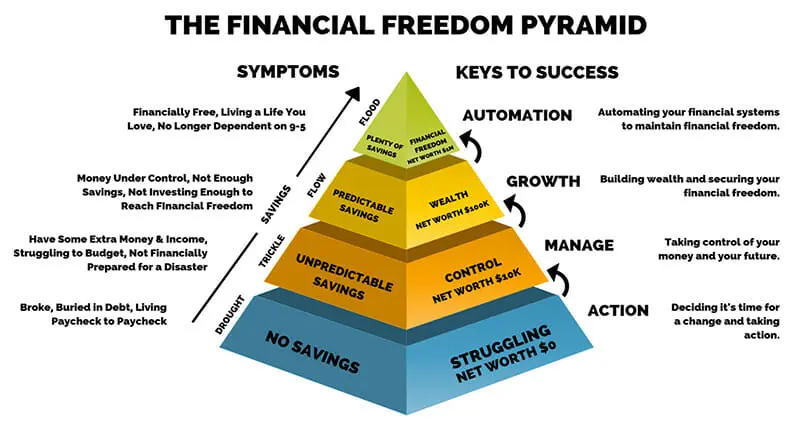
Detailed Step-by-Step Guide to Achieve Financial Freedom
Step 1: Build a Strong Financial Mindset
The first step toward financial freedom is developing the right mindset about money. Many people believe money is difficult to manage or that wealth is only for a select few. This mindset limits financial growth and leads to poor decisions. Instead, focus on learning, discipline, and long-term thinking.
A strong financial mindset includes understanding the difference between needs and wants, avoiding impulsive spending, and thinking about future financial goals. When you change how you think about money, your actions naturally begin to support wealth building.
Step 2: Create a Realistic Budget
Budgeting is the foundation of financial freedom. Without a clear plan for income and expenses, it becomes impossible to save or invest effectively. Start by tracking all your monthly income and expenses. Categorize spending into essentials like rent, food, and bills, and non-essentials like entertainment and luxury items.
Once you understand your spending habits, set limits for each category. A simple rule like the 50/30/20 method (needs, wants, savings) can help beginners manage money more effectively. The goal is to spend less than you earn and consistently save a portion of your income.
Step 3: Eliminate High-Interest Debt
Debt is one of the biggest obstacles to financial freedom. High-interest loans, credit card debt, and personal loans can quickly drain income and prevent wealth building. Focus on paying off high-interest debts as quickly as possible.
Start by listing all debts and prioritizing those with the highest interest rates. This strategy, often called the avalanche method, helps reduce the total interest paid over time. Becoming debt-free increases financial flexibility and allows more money to be directed toward savings and investments.
Step 4: Build an Emergency Fund
An emergency fund is essential for financial stability. It acts as a financial safety net during unexpected situations such as job loss, medical emergencies, or urgent repairs. Without an emergency fund, people often rely on debt, which creates long-term financial stress.
Aim to save at least 3 to 6 months of living expenses in a separate savings account. This money should only be used for real emergencies, not regular spending. Building this fund may take time, but it is a crucial step toward financial independence.
Step 5: Start Investing Early
Investing is one of the most powerful tools for achieving financial freedom. While saving money is important, investing helps your money grow over time through compound interest. Beginners can start with simple options like mutual funds, index funds, or retirement accounts.
The key to successful investing is consistency and long-term thinking. Even small monthly investments can grow significantly over time. Avoid emotional decisions and focus on steady, disciplined investing strategies that match your risk level and financial goals.
Step 6: Create Multiple Income Streams
Relying on a single source of income is risky and limits financial growth. Financial freedom requires building multiple income streams. These can include freelancing, side businesses, rental income, dividends, or online work.
Start small by exploring skills you already have and turning them into income opportunities. Over time, reinvest earnings into other income-generating assets. The goal is to gradually reduce dependency on active work income.
Step 7: Increase Financial Knowledge
Financial education is essential for long-term success. The more you understand money management, investing, and economics, the better decisions you will make. Read books, follow financial experts, and stay updated on financial trends.
Knowledge helps you avoid scams, make smarter investments, and grow wealth faster. Financial freedom is not just about earning money—it is about managing and multiplying it wisely.
Benefits of Financial Freedom
- Reduced financial stress and anxiety
- Greater control over lifestyle and time
- Ability to handle emergencies without debt
- Opportunity to retire early or work by choice
- Increased ability to pursue passions and hobbies
- Strong financial security for family and future generations
- Freedom to start businesses or explore new opportunities
- Improved mental health and life satisfaction
Disadvantages / Risks
- Requires long-term discipline and patience
- Poor investment decisions can lead to losses
- Overconfidence may lead to financial mistakes
- Initial process can feel slow and challenging
- Requires continuous learning and adaptation
- Market fluctuations may affect investments
- Risk of falling for financial scams without proper knowledge
Common Mistakes to Avoid
One of the most common mistakes is overspending and failing to follow a budget. Many beginners also try to invest without proper knowledge, which leads to losses. Another major mistake is relying on a single income source and not planning for emergencies.
People also delay investing, thinking they need a large amount of money to start. In reality, even small investments can grow significantly over time. Avoid emotional financial decisions and focus on long-term planning instead of short-term gains.
FAQs
1. How long does it take to achieve financial freedom?
It depends on income, expenses, and discipline. For most people, it can take several years of consistent saving and investing to reach financial independence.
2. Do I need a high salary for financial freedom?
No, financial freedom is more about money management than income level. Even moderate income earners can achieve it with proper planning and discipline.
3. What is the first step toward financial freedom?
The first step is creating a budget and controlling expenses. Without this foundation, it is difficult to save or invest effectively.
4. Is investing necessary for financial freedom?
Yes, investing is essential because it helps grow wealth over time through compound interest and passive income generation.
5. Can financial freedom be achieved without debt?
Yes, in fact eliminating debt is one of the most important steps toward financial independence and stability.
6. What are the safest investments for beginners?
Beginners can start with index funds, mutual funds, or government bonds as they are generally considered more stable and less risky.
Expert Tips & Bonus Points
Start investing as early as possible because time is the most powerful factor in wealth building. Even small amounts invested consistently can create significant wealth in the long run. Focus on building habits rather than chasing quick profits.
Diversify your income sources to reduce risk and increase financial stability. Always keep learning about money management and avoid emotional financial decisions. Surround yourself with financially responsible people who encourage growth and discipline.
Conclusion
Financial freedom is not an overnight achievement but a long-term journey built on discipline, knowledge, and consistent action. It begins with understanding your current financial situation and making small but powerful changes in spending, saving, and investing habits. For beginners, the process may seem challenging at first, but every step taken in the right direction brings you closer to independence and stability.
The ultimate goal of financial freedom is not just wealth but control over your time and life choices. It allows you to live without constant financial pressure and opens doors to opportunities that would otherwise be out of reach. Whether it is traveling, starting a business, or spending more time with loved ones, financial freedom gives you the flexibility to design your ideal life. By following the steps in this guide consistently, anyone can move toward a future where money is no longer a limitation but a tool for growth and fulfillment.